

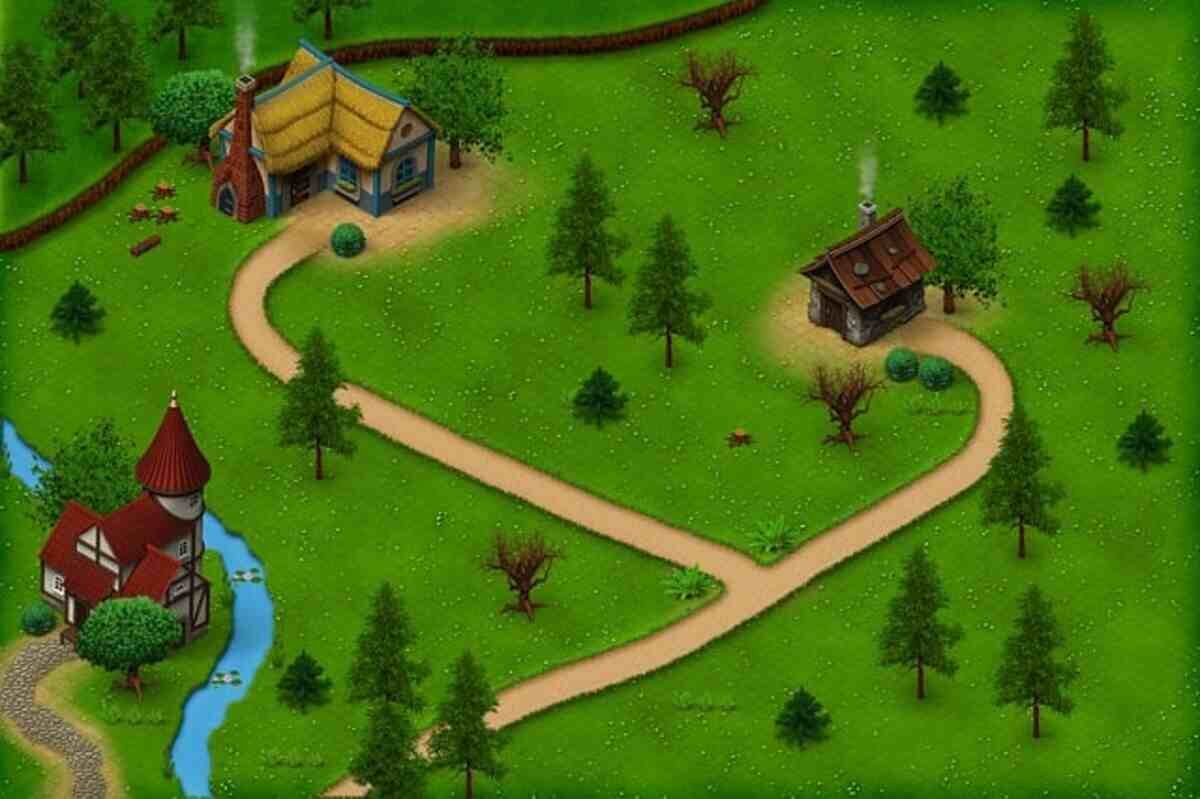
Map-based games have been a staple of the gaming world for decades, bringing strategy, exploration, and excitement to players around the globe. Whether you’re deciphering a map strategy game or trying to solve a “game played on a map” crossword clue, the evolution of these games is as fascinating as the games themselves. Let’s embark on a journey through time to see how map-based games have transformed and captivated generations of players. To know more, check out hantam88
In the beginning, map-based games were simple, often involving paper maps and minimalistic rules. These early games required players to use their imagination to bring the game to life. Classics like “Risk” and “Diplomacy” are perfect examples, where the world map became a battleground for strategic minds.
Board games were the pioneers of map-based games. They encouraged players to plot their moves on a static map, making strategic decisions to outwit opponents. These games laid the groundwork for the map-based games we know today, and they continue to be beloved by many.
These early board games were not just about strategy; they were social experiences that brought people together. Families and friends gathered around tables, engaging in friendly competition and collaborative gameplay. The tactile feel of moving pieces and the visual appeal of colorful maps added to the charm of these games.
As technology progressed, so did the complexity and allure of these games. The transition from physical board games to digital platforms opened up a whole new world of possibilities. This shift allowed for more intricate designs and challenging gameplay, expanding the audience and deepening the player’s engagement.
As board games evolved, so did their mechanics, incorporating elements that would become staples in future map-based games. Concepts such as resource management, territorial control, and variable player powers introduced layers of strategy and depth. These innovations made each playthrough unique, encouraging players to develop new tactics and strategies.
The introduction of scenario-based gameplay added narrative depth, immersing players in rich stories and objectives. This narrative-driven approach made players feel as though they were part of an unfolding saga, enhancing emotional investment and satisfaction.
The creativity of game designers in the early days of map-based games laid the foundation for a genre that would continually reinvent itself. Designers experimented with themes, settings, and mechanics, pushing the boundaries of what a board game could be. This era of creativity planted the seeds for future innovations in digital map-based games.
The experimentation and boldness of these early creators inspired future generations of game designers. They learned from the successes and failures of their predecessors, refining concepts and introducing new ideas that would shape the future of map-based games. As we moved into the digital age, these foundational elements would be reimagined and expanded upon, leading to the rich and diverse landscape of games we enjoy today.
The digital age brought with it a revolution in gaming. Suddenly, maps were no longer confined to paper. They became dynamic, interactive, and immersive. The era of digital map-based games had begun.
With computers, developers could create expansive and intricate maps that changed the way players interacted with the game. Titles like “Civilization” and “Age of Empires” transformed map strategy games, offering players a chance to build empires, manage resources, and engage in epic battles on a grand scale.
These games were more than just about winning; they were about crafting a narrative, a story where every decision affected the outcome. This complexity attracted a new wave of gamers who craved depth and strategy. Players were drawn to the intricate world-building and the challenge of managing complex systems, where every choice could alter the course of history.
The digital platform allowed developers to update and expand games, introducing new content and features that kept players engaged over time. This continuous evolution of games created a vibrant community of players who shared strategies, experiences, and stories, further enriching the gaming experience.
The internet added a social dimension to map-based games. Players could now challenge others from around the world, testing their strategies and skills against real people. Games like “World of Warcraft” and “League of Legends” created sprawling worlds where players could explore, conquer, and collaborate.
The online multiplayer aspect turned these games into living ecosystems, where maps were constantly evolving based on player actions. This dynamic environment fostered a sense of community and competition, as players formed alliances, engaged in epic battles, and worked together to achieve common goals.
The social interaction and shared experiences in these online worlds created lasting friendships and rivalries. Players developed communication skills and teamwork as they strategized and coordinated with others. The online multiplayer revolution was not just about gaming; it was about connecting people across the globe through shared adventures and challenges.
The rise of digital map-based games also gave birth to vibrant modding communities. Enthusiastic players and developers created custom content, modifying game mechanics, and introducing new maps and scenarios. This creativity extended the lifespan of games and allowed players to tailor their experiences.
Modding communities became a breeding ground for innovation, as players experimented with new ideas and shared their creations with others. These communities fostered collaboration and learning, as modders exchanged tips, techniques, and feedback. The impact of these communities was profound, leading to the development of new game genres and influencing professional game development.
The contributions of modding communities demonstrated the power of player-driven content and the importance of community engagement. Developers began to recognize the value of these communities, incorporating feedback and ideas into official game updates and expansions. This collaboration between players and developers enriched the gaming experience, creating a dynamic and ever-evolving landscape.
With the advent of smartphones, map-based games found their way into our pockets. Mobile gaming brought a new level of accessibility and convenience, allowing players to engage with their favorite games anywhere, anytime.
Innovations like augmented reality (AR) and geolocation added a new layer of interaction. Games like “Pokémon GO” used real-world maps to create an immersive experience that blended virtual elements with reality. Players could explore their neighborhoods, discovering and capturing Pokémon as they went.
This blend of the virtual and physical world offered a fresh perspective on map-based gaming, making it more engaging and personal. Players were encouraged to explore their surroundings, leading to increased physical activity and social interactions. The integration of real-world locations added a sense of discovery and adventure, as players uncovered hidden treasures and secrets in familiar places.
The success of AR games highlighted the potential of mobile platforms to deliver innovative and immersive experiences. Developers began exploring new ways to incorporate AR and geolocation into their games, creating unique and captivating experiences that blurred the lines between the digital and physical worlds.
The rise of mobile gaming also ushered in a new era of casual gaming. Simple, map-based games like “Clash of Clans” and “Candy Crush Saga” captured the attention of a broad audience, offering quick and engaging gameplay that fit into busy lifestyles. These games introduced new mechanics and monetization models, paving the way for the free-to-play phenomenon.
The accessibility and convenience of mobile gaming attracted players who may not have considered themselves gamers. These casual games provided entertainment during commutes, breaks, and downtime, making gaming a part of everyday life. The casual gaming revolution expanded the gaming community, introducing new players to the joys and challenges of map-based games.
Social media played a significant role in the growth of mobile map-based games. Platforms like Facebook integrated games into their networks, allowing players to connect with friends, share achievements, and compete for high scores. This social integration created a sense of community and competition, encouraging players to engage with games and each other.
The viral nature of social media helped popularize mobile games, spreading awareness and attracting new players. Developers leveraged social media to promote their games, gather feedback, and build loyal communities. The synergy between social media and mobile gaming fueled the growth of map-based games, creating a dynamic and interconnected ecosystem.
So, what does the future hold for map-based games? With technology advancing at a rapid pace, the possibilities are endless. Here are a few trends to watch out for:
Virtual reality (VR) is set to take map-based games to a whole new level. Imagine stepping into a game world where you can physically move around the map, interact with the environment, and experience the game from a first-person perspective.
The potential of VR to create immersive and realistic experiences is immense. Players could explore vast landscapes, engage in thrilling adventures, and interact with dynamic environments in ways that were previously unimaginable. VR technology could revolutionize map-based games, offering new levels of engagement and immersion.
As VR technology becomes more accessible and affordable, developers are likely to experiment with new gameplay mechanics and storytelling techniques. The integration of VR into map-based games could lead to groundbreaking experiences that redefine the genre and captivate players in new and exciting ways.
Artificial intelligence (AI) will play a significant role in the evolution of these games. AI can create adaptive environments that respond to player actions, offering a unique and personalized experience every time you play.
The potential of AI to enhance game dynamics and storytelling is vast. AI-driven NPCs and environments could create dynamic and unpredictable gameplay, challenging players to adapt and strategize. The use of AI in procedural generation could lead to infinite possibilities and replayability, as players explore ever-changing worlds and scenarios.
The integration of AI into map-based games could also lead to more realistic and immersive experiences, as AI-driven characters and environments react to player actions and decisions. This dynamic and responsive gameplay could create deeper emotional connections and more engaging narratives, pushing the boundaries of interactive storytelling.
The future will likely see more integration across different platforms, allowing players to seamlessly transition between devices without losing progress. This will make it easier for players to engage with map-based games, no matter where they are or what device they’re using.
Cross-platform integration could lead to more connected and inclusive gaming experiences, breaking down barriers and expanding the reach of map-based games. Players could enjoy their favorite games on consoles, PCs, and mobile devices, switching between platforms to suit their preferences and lifestyles.
The ability to play and connect with others across different platforms could foster a more diverse and vibrant gaming community. Developers could create new opportunities for collaboration and competition, as players from different platforms come together to share experiences and challenges. The future of map-based games is bright, with endless possibilities for innovation and creativity.
Map-based games have come a long way from their humble beginnings on paper. They’ve evolved into complex, interactive experiences that captivate players of all ages. Whether you’re strategizing in a board game, exploring a digital world, or catching creatures in augmented reality, map-based games offer something for everyone.
As technology continues to advance, these games will only become more immersive and engaging, pushing the boundaries of what we thought possible. So, grab your map, chart your course, and dive into the ever-evolving world of map-based games. The adventure awaits!
The journey of map-based games is a testament to the creativity and innovation of developers and players alike. From the simplicity of paper maps to the complexity of digital worlds, these games have captured our imaginations and challenged our minds. As we look to the future, we can only imagine the incredible experiences that await us in the world of map-based games. Join us on this journey and discover the endless possibilities that lie ahead.