

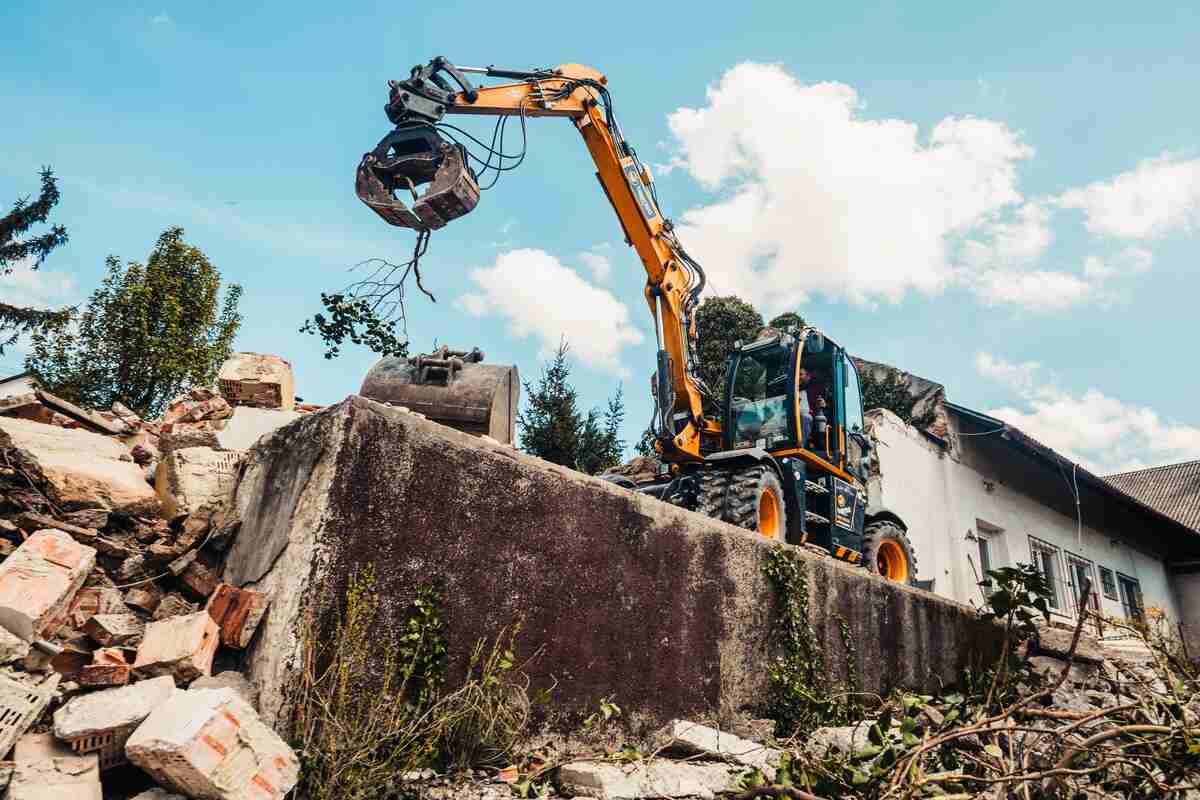
Phoenix Demolition Services Built Around Precision, Safety, and Local Know-How
Demolition is not simply the act of tearing something down. Done well, it is controlled planning, careful sequencing, responsible disposal, smart equipment selection, and a steady respect for the property surrounding the work zone. In a city like Phoenix, where historic neighborhoods, active commercial corridors, desert conditions, tight infill lots, and fast-moving redevelopment often exist side by side, the right demolition partner can make the difference between a stressful project and a clean, efficient start. Learn the best info about Phoenix demolition.
Our Phoenix demolition services are designed for property owners, builders, developers, facility managers, investors, and homeowners who need more than a crew with heavy equipment. You need a team that understands how to evaluate the structure, protect adjacent improvements, coordinate with utilities, manage dust and debris, and keep the project moving from first walkthrough to final cleanup.
Whether you are preparing a residential lot for a new build, removing interior improvements from a commercial suite, clearing damaged structures, breaking up concrete, or planning a selective demolition project, we approach every job with a practical strategy. The goal is simple: remove what needs to go, protect what needs to stay, and leave the site ready for what comes next.
If you are searching for Phoenix demolition, you are probably looking for a contractor who can respond quickly, explain the process clearly, and handle the details with discipline. That is exactly the standard we bring to every project.
Local Demolition Work Requires a Local Strategy
Phoenix is a unique demolition market. Projects here often involve block construction, stucco exteriors, slab foundations, older utility layouts, tight urban access, and weather conditions that can affect scheduling and site control. Heat, wind, dust, monsoon season, and nearby occupied properties all matter.
A strong demolition plan considers more than the structure itself. It also accounts for:
- Access for trucks, dumpsters, loaders, and specialty equipment
- Utility shutoffs and disconnection coordination
- Dust control needs for dry desert conditions
- Protection of neighboring walls, driveways, landscaping, and structures
- Waste handling and disposal logistics
- Noise and work-hour expectations
- Permit requirements based on the jurisdiction and project type
- Potential asbestos, lead-based paint, or other regulated materials
- Hauling routes and debris staging areas
- Final grading, cleanup, and site readiness
Good demolition is not guesswork. It is a sequence. When that sequence is built correctly, the work becomes safer, cleaner, and more predictable.
Full-Service Demolition Solutions in Phoenix
Every property has a different end goal. Some clients need a complete structure removed. Others need a precise interior strip-out while keeping the building shell intact. Some need concrete removed without damaging adjacent hardscape. Others need a site cleared before construction can begin.
Our demolition services can be adapted to a wide range of Phoenix-area project needs.
Residential Demolition
Residential demolition requires respect for the home site, the neighborhood, and the property owner’s timeline. We help with projects involving full house removal, partial demolition, garages, carports, sheds, patios, additions, old foundations, pools, walls, and damaged structures.
Common residential demolition projects include:
- Single-family home demolition
- Garage and carport removal
- Shed, casita, and outbuilding demolition
- Patio cover and porch removal
- Interior demolition before remodeling
- Kitchen and bathroom tear-outs
- Flooring, drywall, and cabinet removal
- Concrete driveway and walkway demolition
- Swimming pool demolition or removal preparation
- Fire-damaged or storm-damaged structure removal
- Site clearing before a new build
Home demolition is personal. It may be part of a major renovation, an investment project, an estate cleanup, or the first step toward building something new. We keep the process straightforward, communicate clearly, and leave the site as clean and manageable as possible.
Commercial Demolition
Commercial demolition often comes with tighter timelines, shared spaces, tenant improvement schedules, and coordination with property managers or general contractors. We support projects ranging from small suite cleanouts to larger commercial removals.
Commercial demolition may include:
- Office interior demolition
- Retail space strip-outs
- Restaurant and kitchen demolition
- Warehouse and industrial removals
- Medical or professional suite demolition
- Non-load-bearing wall removal
- Ceiling grid and flooring removal
- Millwork, fixtures, and equipment removal
- Concrete cutting and slab removal
- Exterior feature demolition
- Site preparation for tenant improvements
In commercial environments, the demolition plan must often reduce disruption to nearby businesses, maintain safe access, and coordinate with other trades. We focus on clear scheduling, controlled work areas, and responsible debris removal.
Selective Demolition
Selective demolition is one of the most important services for remodels, adaptive reuse projects, and tenant improvements. Instead of removing an entire structure, the work targets specific components while preserving surrounding areas.
Selective demolition may involve removing:
- Interior walls
- Cabinets and counters
- Flooring systems
- Ceiling systems
- Fixtures and finishes
- Doors and frames
- Restroom interiors
- Mechanical platforms or non-structural elements
- Exterior features such as awnings, façade components, or built-in features
This type of demolition demands patience and precision. The right crew knows how to work around plumbing, electrical systems, structural elements, fire protection components, and finish surfaces that must remain intact. The objective is not brute force. The objective is control.
Interior Demolition
Interior demolition prepares a space for remodeling, reconstruction, or tenant improvement work. A clean interior demolition job makes the next phase easier for framers, electricians, plumbers, HVAC crews, flooring contractors, and finish trades.
Interior demolition services may include:
- Drywall removal
- Cabinet and countertop removal
- Flooring removal
- Tile removal
- Drop ceiling removal
- Fixture removal
- Door and trim removal
- Bathroom and kitchen demolition
- Office partition removal
- Built-in shelving and millwork removal
- Debris hauling and broom-clean service
Interior demolition is often performed in occupied or partially occupied areas, which means dust control, noise awareness, and clean pathways matter. We plan the work so the project stays orderly from start to finish.
Concrete Demolition and Removal
Concrete is everywhere in Phoenix properties: slabs, driveways, sidewalks, patios, stem walls, pool decks, parking areas, curbs, footings, pads, and retaining features. Removing it correctly takes the right equipment and an understanding of surrounding utilities, reinforcement, access, and haul-off logistics.
Concrete demolition services may include:
- Slab removal
- Driveway demolition
- Sidewalk and walkway removal
- Patio and pool deck removal
- Concrete pad removal
- Footing and stem wall removal
- Curb and parking lot section removal
- Saw-cutting coordination when needed
- Hauling and disposal of broken concrete
Concrete removal can be messy when handled poorly. Our approach is organized: define the removal area, protect surrounding surfaces, break the material efficiently, load debris safely, and leave the area ready for repair, replacement, or construction.
Site Clearing and Preparation
Before a new project can begin, the site may need to be cleared of old structures, debris, concrete, vegetation, fencing, or abandoned materials. Site clearing helps create a safer and more accessible work environment for the next phase.
Site preparation may include:
- Light structure removal
- Debris cleanup
- Concrete and asphalt removal
- Fence and wall removal
- Brush and overgrowth clearing
- Lot cleanup
- Construction debris hauling
- Final cleanup before grading or construction
A properly cleared site saves time for everyone who comes next. Builders, designers, engineers, and property owners benefit from a work area that is accessible, visible, and free of unnecessary hazards.
A Smarter Demolition Process From Start to Finish
The best demolition projects start before equipment ever reaches the site. Planning is where safety, efficiency, and cost control begin. Our process is built to make the experience clear for clients and practical for the crew performing the work.
1. Initial Consultation
We begin by learning what you need removed, what must remain, where the property is located, and what the next step will be after demolition. A homeowner preparing for a remodel has different needs than a developer clearing a parcel or a business owner preparing a retail space for a new tenant.
During the consultation, we may discuss:
- Property type and project scope
- Approximate size of the structure or area
- Access limitations
- Known utility locations
- Desired timeline
- Permit questions
- Debris hauling needs
- Any safety concerns or special conditions
This is also the right time to ask questions. A good demolition contractor should be able to explain the likely sequence of work, what information is needed, and what factors may affect scheduling or cost.
2. Site Review and Scope Definition
A site review helps identify conditions that may not be obvious from photos alone. Access, overhead lines, narrow alleys, adjacent walls, pools, landscaping, slope, slab thickness, and neighboring structures can all affect the plan.
The scope should clearly define what is included and what is excluded. For example, interior demolition may include cabinets, drywall, and flooring, but not structural framing unless specifically approved. Concrete removal may include a driveway, but not adjacent sidewalk sections unless requested.
Clear scope prevents confusion. It protects the client and the crew.
3. Utility and Hazard Planning
Before demolition begins, utilities must be addressed. Depending on the project, this may involve electric, gas, water, sewer, communications lines, irrigation, or other services. Demolition should never begin until the appropriate shutoffs, disconnects, markings, or confirmations are complete.
Some projects may also require environmental review or testing, especially when older structures are involved. Materials such as asbestos-containing components or lead-based paint may require specialized handling by qualified professionals. We do not guess with safety-sensitive materials. We help clients understand when additional evaluation may be needed.
4. Permitting and Pre-Work Coordination
Many demolition projects require permits or approvals from the applicable city, county, or governing authority. Requirements can vary based on the location, structure type, scope of work, and whether utilities or regulated materials are involved.
Rather than making assumptions, we help clients identify the permitting path and coordinate the information needed for the project. This may include property details, demolition scope, utility documentation, site plans, or other supporting information requested by the authority having jurisdiction.
The permitting step is not just paperwork. It is part of responsible demolition.
5. Site Protection and Mobilization
Once approvals and pre-work requirements are addressed, the site is prepared for demolition. This may include setting up barriers, arranging debris containers, protecting nearby surfaces, staging equipment, and confirming safe access.
Good mobilization keeps the work zone organized. It also reduces the risk of damage to areas outside the demolition scope.
6. Controlled Demolition
The demolition itself is performed according to the project plan. Depending on the job, this may involve hand demolition, mechanical demolition, cutting, breaking, loading, sorting, or staged removal.
For selective and interior demolition, the work is often performed in layers. For exterior or structural demolition, sequencing may focus on stability, access, and safe debris handling. For concrete removal, the plan may include saw-cut boundaries, breaking patterns, and efficient haul-off.
Controlled demolition means we are not simply knocking things down. We are removing them in the right order.
7. Debris Removal and Cleanup
Debris management is a major part of demolition. Materials must be loaded, hauled, recycled or disposed of responsibly, and kept from creating unnecessary hazards during the job.
At the end of the project, we focus on leaving the work area ready for the next phase. Depending on the scope, cleanup may include debris removal, sweeping, coordination of rough grading, or clearing access paths.
8. Final Walkthrough
A final walkthrough helps confirm that the agreed scope has been completed. It also gives the client a chance to review the site and ask questions before the next trade or phase begins.
This final step matters. Demolition is often the beginning of a larger plan, and that plan deserves a clean handoff.
Modern Techniques for Cleaner, More Controlled Demolition
Demolition has changed. The old image of demolition as chaotic destruction does not match the way responsible contractors approach modern projects. Today’s best practices emphasize planning, precision, dust reduction, selective removal, material separation, equipment matching, and safer sequencing.
For Phoenix properties, these techniques are especially useful because many projects happen close to neighboring homes, active businesses, walls, utilities, sidewalks, and desert landscaping.
Selective Deconstruction
Selective deconstruction focuses on taking apart specific components rather than destroying everything at once. This is valuable when a client wants to preserve part of a structure, salvage certain materials, reduce debris, or prepare for a remodel.
Examples include removing cabinets without damaging the remaining walls, taking out non-load-bearing partitions while preserving ceilings, or stripping a retail space back to a clean shell without disturbing core building systems.
Selective work is slower than brute-force demolition, but it often saves time and money for the overall project by reducing repair needs.
Mechanical Demolition With the Right Attachments
Modern demolition equipment is not one-size-fits-all. Compact loaders, skid steers, excavators, breakers, grapples, buckets, and other attachments can be matched to the project conditions.
Using the right attachment helps improve efficiency and control. A concrete breaker may be appropriate for slab removal. A grapple may help sort and load debris. A compact machine may be better for limited access areas. Hand tools may be the right choice near delicate finishes or tight interior spaces.
The smartest equipment choice is not always the biggest machine. It is the machine that can do the job safely, efficiently, and with the least unnecessary disruption.
Dust Control Practices
Dust is a serious consideration in Phoenix demolition. Dry conditions, wind, concrete, drywall, stucco, masonry, and disturbed soil can all contribute to airborne particles.
Dust control may include:
- Wetting work areas when appropriate
- Using controlled removal methods
- Limiting unnecessary material drops
- Managing debris piles
- Covering loads during transport when required
- Maintaining clean access routes
- Using containment methods for interior work
- Coordinating work based on site conditions
Dust control is about professionalism, safety, and respect for neighboring properties.
Low-Impact Interior Removal
Interior demolition often takes place inside buildings that will be remodeled, leased, sold, or reoccupied. Low-impact methods help protect the structure and make the rebuild easier.
This may include careful fixture removal, controlled cutting, hand demolition near sensitive areas, protective floor covering where needed, and staged debris removal. The goal is to avoid turning a manageable demolition project into an unnecessary repair project.
Concrete Cutting and Boundary Control
When only part of a slab, driveway, walkway, or patio needs to be removed, clean boundaries matter. Saw-cutting or planned break lines can help separate the removal area from the portion that remains.
This is especially important when removing concrete near garage slabs, building foundations, pool decks, utility areas, or finished hardscape. A clean edge can make replacement work easier and more attractive.
Debris Sorting and Recycling Awareness
Not all demolition debris is the same. Concrete, metal, wood, drywall, fixtures, green waste, and mixed debris may have different handling options. When practical, materials can be separated to support recycling or more responsible disposal.
Concrete and metals are often good candidates for diversion from standard waste streams, depending on project conditions and local options. Sorting takes planning, but it can improve site organization and reduce unnecessary waste.
Phased Demolition for Active Properties
Some projects cannot shut down an entire property. A business may need to remain open. A multi-tenant building may need safe access. A homeowner may be living on-site during part of the remodel.
Phased demolition allows work to proceed in defined areas while maintaining safety controls. This may include separating work zones, coordinating schedules, limiting access, and sequencing debris removal to reduce disruption.
Safety Is the Foundation of Professional Demolition
No demolition project is successful if it is not safe. Speed matters, but safety comes first. A careful contractor considers the crew, the client, neighbors, pedestrians, nearby businesses, utilities, and the property itself.
Safety planning may include:
- Pre-work hazard review
- Utility confirmation
- Personal protective equipment
- Controlled access to the work zone
- Equipment inspections
- Dust control planning
- Safe debris handling
- Fall hazard awareness
- Structural stability review
- Communication among crew members
- Proper loading and hauling practices
Demolition involves changing conditions. A wall that looks stable may not remain stable after adjacent components are removed. A slab may hide utilities. Interior finishes may cover unknown framing changes. This is why experienced judgment matters.
Professional demolition is a disciplined trade. It rewards crews that slow down at the right moments, verify conditions, and adapt intelligently.
Permitting and Compliance Guidance for Phoenix-Area Projects
Permitting can feel confusing, especially for property owners who have never managed a demolition project before. The requirements depend on where the property is located, what is being removed, whether the structure is residential or commercial, and whether utilities, hazardous materials, or right-of-way issues are involved.
For projects in Phoenix and nearby communities, the permitting authority may request documentation before demolition begins. This can include information about the property, utility disconnects, environmental considerations, site plans, contractor information, and the proposed scope.
Because requirements can change and vary by jurisdiction, we avoid one-size-fits-all advice. Instead, we help clients ask the right questions and gather the right information.
Important permitting considerations may include:
- Whether a demolition permit is required
- Whether separate trade permits are involved
- Whether utility disconnect documentation is needed
- Whether environmental testing or abatement is required
- Whether work affects sidewalks, alleys, streets, or public right-of-way
- Whether a commercial property has additional building management requirements
- Whether inspections are required before, during, or after the work
A responsible demolition contractor does not treat permits as an afterthought. Planning for compliance early can prevent delays later.
Equipment and Techniques Matched to the Job
Every demolition project asks a practical question: what is the safest and most efficient way to remove this material from this site?
The answer depends on the structure, access, material type, project scale, nearby risks, and desired finish condition. Sometimes the answer is heavy equipment. Sometimes it is hand tools. Often it is a combination.
Hand Demolition
Hand demolition is useful for detailed interior work, selective removals, tight areas, or projects where vibration and impact need to be minimized. It may be slower, but it offers a high degree of control.
Compact Equipment
Compact loaders and similar machines can be valuable where access is limited but mechanical power is still needed. They can help remove debris, break smaller sections, and work efficiently in residential or urban environments.
Excavation Equipment
Excavators and larger machines may be appropriate for full structure removal, larger concrete sections, site clearing, and projects where reach and power are needed. The size of the machine should match the site conditions.
Hydraulic Breakers
Hydraulic breakers are commonly used for concrete demolition. They help break slabs, pads, footings, and other hard materials into manageable pieces for removal.
Grapples and Buckets
Grapples can help sort, lift, and load irregular debris. Buckets are useful for moving broken materials, clearing loose debris, and loading trucks or containers.
Cutting and Separation Tools
Saw-cutting, cutting tools, and separation methods may be needed when the demolition area borders surfaces that should remain. This is common in partial concrete removal, interior remodels, and tenant improvement projects.
The right tool protects the schedule. More importantly, it protects the property.
Responsible Debris Hauling and Site Cleanup
Demolition produces debris, and debris must be managed properly. A sloppy haul-off plan can create delays, damage access areas, and leave the client with cleanup headaches. A good debris plan starts before demolition begins.
We consider:
- Where debris will be staged
- How equipment will access the site
- Whether dumpsters, trailers, or trucks are best for the project
- How mixed materials will be separated when practical
- Whether concrete, metal, or other materials may be recyclable
- How to reduce tracking debris into streets or shared areas
- What final cleanup level is expected
For homeowners, a clean site brings peace of mind. For contractors, it helps the next trade start without delay. For commercial clients, it reduces disruption and keeps the project looking professional.
Why Choose a Professional Phoenix Demolition Contractor
Hiring the right demolition contractor is about more than price. It is about risk reduction, communication, reliability, and quality of execution.
A professional demolition team brings:
- Project planning experience
- Safety-focused work habits
- Appropriate equipment
- Knowledge of local site conditions
- Clear scope communication
- Debris removal solutions
- Awareness of permit and utility coordination
- Respect for neighboring properties
- Adaptability when unexpected conditions appear
Cheap demolition can become expensive when it causes damage, delays, failed inspections, unsafe conditions, or incomplete cleanup. The better choice is a contractor who knows how to plan the work and finish it correctly.
What Makes Our Approach Different
We believe demolition should feel organized from the client’s perspective. You should not have to chase updates, wonder what happens next, or worry that the crew has misunderstood the scope.
Our approach is built around five simple principles.
1. Clear Communication
We explain the scope, schedule, limitations, and next steps in plain language. If something needs to be verified before work begins, we say so. If a site condition changes the plan, we communicate it.
2. Practical Planning
We look at access, utilities, materials, debris flow, equipment needs, and safety concerns before the work begins. Planning reduces surprises.
3. Controlled Execution
We remove materials in a logical sequence. We protect surrounding areas where practical and keep the job moving without unnecessary chaos.
4. Respect for Property
Demolition is forceful work, but it should not be careless work. We treat the surrounding property, neighboring areas, and client expectations with respect.
5. Clean Completion
The job is not finished just because the structure is gone. Debris removal, cleanup, and a clear final review are part of the service.
Service Areas Around Phoenix
We provide demolition services throughout Phoenix and nearby communities, depending on project scope and scheduling. Service areas may include central Phoenix, north Phoenix, south Phoenix, west Phoenix, east Phoenix, Arcadia, Ahwatukee, Paradise Valley Village, Deer Valley, Maryvale, Laveen, and surrounding areas.
We may also serve nearby cities and communities such as Glendale, Scottsdale, Tempe, Mesa, Chandler, Peoria, Avondale, Tolleson, Goodyear, Gilbert, and Paradise Valley when the project is a fit.
If you are not sure whether your property is in our service area, reach out with the address or nearest cross streets. We can confirm availability and discuss the best next step.
Residential Property Owners: Start With Confidence
If you are a homeowner planning demolition, you may be wondering where to begin. You may not know whether a permit is needed, whether utilities must be disconnected, what can be removed first, or how long the process will take.
That is normal. Most homeowners do not manage demolition projects often.
We help simplify the process by walking you through the key questions:
- What do you want removed?
- What do you want to keep?
- Are you remodeling, rebuilding, selling, or clearing the property?
- Are utilities active in the work area?
- Is the structure older or potentially affected by regulated materials?
- Is access available for equipment and hauling?
- Do you need full removal or selective demolition?
- What condition should the site be left in?
A clear plan turns a complicated project into a manageable one.
Builders and Contractors: Reliable Demolition Support
General contractors, remodelers, builders, and restoration professionals need demolition partners who understand schedule pressure and jobsite coordination. When demolition is late, messy, or incomplete, every trade after it feels the impact.
We support construction professionals with demolition services designed to keep projects moving. That includes defined scopes, clean handoffs, dependable debris removal, and practical communication.
Contractor-focused services may include:
- Pre-remodel interior demolition
- Selective structural removals with proper planning
- Concrete and slab removal
- Tenant improvement demolition
- Site clearing
- Construction debris hauling
- Phased demolition support
- Punch-list demolition items
We understand that demolition is often the first visible step of construction. When it is done well, the rest of the project starts stronger.
Commercial Clients: Minimize Downtime and Disruption
For commercial properties, demolition must be efficient, safe, and coordinated. A retail suite, restaurant, office, warehouse, or professional building may have neighboring tenants, building rules, shared parking, and business operations nearby.
We help commercial clients plan around these realities. That may include scheduling considerations, debris staging, access control, noise awareness, and coordination with property managers or other trades.
Commercial demolition is not just about removing materials. It is about preserving business momentum.
Search Clarity: Local Demolition Services, Not Entertainment Confusion
Some people searching online may use phrases that have mixed intent. For example, the phrase “demolition man simon phoenix” is associated with entertainment searches and is unrelated to professional demolition services in Phoenix, Arizona. If you are looking for a contractor, builder support, concrete removal, interior demolition, or site clearing, you are in the right kind of place. If you were looking for film information, that is a different search intent entirely.
Similarly, if you searched for “dickens quality demolition phoenix az,” you may be comparing local demolition options or looking for a specific provider. This page is written to explain Phoenix-area demolition services in a clear, practical way and should not be read as claiming affiliation with any similarly named business unless that relationship is directly stated by the company you contact.
How to Prepare for a Demolition Estimate
You do not need to know every technical detail before requesting an estimate. Still, a little preparation can help the conversation move quickly.
Before contacting a demolition contractor, consider gathering:
- The property address or general location
- Photos of the structure or area to be removed
- Approximate dimensions, if known
- A brief description of what should stay and what should go
- Whether utilities are active
- Whether the property is occupied
- Any known permit, HOA, or property manager requirements
- Your target timeline
- Any concerns about access, neighboring structures, or hazardous materials
Photos are especially helpful for early conversations. They can show access points, material types, site constraints, and the size of the work area. For larger or more complex jobs, an on-site review may still be needed before final pricing.
What Affects Demolition Cost?
Demolition pricing varies because no two projects are exactly the same. A small interior tear-out is very different from a full structure removal. A concrete patio with easy access is different from a reinforced slab behind a narrow gate.
Cost factors may include:
- Size of the structure or removal area
- Type of materials involved
- Whether the project is interior, exterior, full, or selective
- Equipment needed
- Labor required
- Site access
- Utility coordination
- Permit requirements
- Environmental testing or abatement needs
- Debris volume and weight
- Hauling distance and disposal requirements
- Protection needed for surrounding areas
- Timeline and phasing needs
The most accurate estimate comes from a clear scope. If a quote seems unusually low, make sure you understand what is included. Debris hauling, permits, cleanup, concrete removal, and utility coordination may or may not be part of every proposal.
Common Project Types We Handle
Phoenix demolition needs vary widely. We regularly speak with property owners and contractors about projects such as:
- Removing an older house before new construction
- Demolishing a garage or detached structure
- Clearing a backyard shed or workshop
- Removing an unpermitted addition after proper review
- Preparing an interior for a full remodel
- Stripping a commercial suite for tenant improvements
- Removing restaurant fixtures and finishes
- Breaking and hauling away concrete patios or slabs
- Removing damaged block walls
- Clearing debris after a property cleanup
- Preparing a lot for sale or redevelopment
- Removing outdated exterior features from a commercial building
If your project does not fit neatly into one category, that is okay. Demolition scopes are often custom. Tell us what you need removed, and we can help determine the right path.
Demolition for Remodeling Projects
Remodeling requires a special kind of demolition. The work must remove old finishes and components without damaging the parts of the building that support the new design.
For remodels, demolition may include:
- Kitchen tear-outs
- Bathroom demolition
- Flooring removal
- Drywall removal
- Cabinet and island removal
- Fireplace or feature wall removal
- Closet or partition removal
- Exterior patio or shade structure removal
- Old tile and mortar bed removal
- Selective ceiling removal for new systems
A clean remodel demolition job helps designers and contractors see the real conditions behind the old finishes. It can reveal framing issues, plumbing routes, electrical conflicts, and other conditions that need attention before reconstruction begins.
Demolition for Redevelopment and Infill Projects
Phoenix continues to evolve, and many properties are being renovated, rebuilt, or repurposed. Infill demolition often requires careful coordination because lots may be tight, neighbors may be close, and access may be limited.
Redevelopment demolition may involve:
- Full structure removal
- Partial structure removal
- Slab and foundation removal
- Site clearing
- Utility coordination
- Debris hauling
- Coordination with builders, architects, or engineers
The demolition phase sets the tone for the redevelopment project. A well-cleared site helps the next phase begin with fewer obstacles.
Demolition for Damaged or Unsafe Structures
Structures damaged by fire, impact, water, age, neglect, or weather may require special caution. These projects can involve weakened framing, unstable walls, hidden hazards, and unknown utility conditions.
Before any damaged structure is removed, the site should be evaluated carefully. The plan may need to address restricted access, structural instability, environmental concerns, and additional safety precautions.
If you have a damaged structure on your property, do not attempt to remove it without proper help. Contact a demolition professional and clearly explain the condition.
Environmental Awareness and Material Handling
Responsible demolition includes awareness of what materials are being disturbed and where those materials go. Older buildings may contain materials that require testing or regulated handling. Even newer projects benefit from thoughtful debris separation and disposal.
Environmental considerations may include:
- Asbestos-containing materials
- Lead-based paint
- Mold-affected materials
- Fuel, oils, or chemical containers
- Refrigerants or appliances requiring special handling
- Concrete recycling opportunities
- Scrap metal separation
- Proper disposal of mixed construction debris
When a project may involve regulated materials, the safest path is to identify the issue before demolition begins. This protects the crew, the property owner, and the project timeline.
Communication You Can Expect
A demolition project should not leave you guessing. We work to keep communication practical and direct.
Clients can expect discussion around:
- What the scope includes
- What may require additional review
- How access and staging will work
- What needs to happen before work begins
- What the estimated sequence looks like
- How debris will be handled
- What cleanup level is included
- What may affect the timeline
We believe clear expectations are part of quality service. Demolition is physical work, but communication is what keeps the project aligned.
When to Call a Demolition Contractor
It is best to call a demolition contractor early, especially if your project involves permits, utilities, commercial space, concrete removal, or a larger structure. Early planning gives you time to understand requirements, compare options, and coordinate with other professionals.
You should consider calling when:
- You are planning a major remodel
- You need a structure removed before construction
- You are buying or selling a property with unwanted structures
- You need concrete removed before landscaping or building work
- You are preparing a commercial suite for a new tenant
- You have a damaged or unsafe structure
- You are unsure whether demolition is feasible
- You need a realistic schedule and scope before budgeting
A short conversation can save time. Even if you are not ready to start immediately, early guidance can help you plan wisely.
Frequently Asked Questions About Phoenix Demolition
Do I need a permit for demolition in Phoenix?
Many demolition projects require a permit or approval, but the exact requirement depends on the location, structure, and scope. A full structure removal usually has different requirements than a small interior demolition. The safest approach is to verify with the applicable jurisdiction before work begins. We can help you understand what information may be needed.
How long does a demolition project take?
Timeline depends on the project size, permitting, utilities, access, environmental review, debris volume, and scheduling. Some small interior or concrete removal projects may be completed quickly, while full structure demolition or commercial projects may require more planning. The best way to estimate time is to define the scope first.
Can you remove only part of a structure?
Yes, selective demolition is designed for partial removal. This may include interior walls, finishes, additions, exterior features, or specific concrete sections. The key is determining what is structural, what must remain, and how to protect surrounding areas.
Do utilities need to be disconnected before demolition?
For many projects, yes. Electric, gas, water, sewer, and other services may need to be shut off, disconnected, capped, marked, or otherwise addressed before demolition starts. Utility safety is one of the most important pre-work steps.
What happens to the debris?
Debris is loaded and hauled away according to the project plan. When practical, materials such as concrete or metal may be separated for recycling or appropriate handling. Mixed debris is taken to suitable disposal facilities based on material type and local requirements.
Can you demolish concrete?
Yes. Concrete demolition and removal may include slabs, patios, driveways, sidewalks, pool decks, pads, footings, and other hardscape. The method depends on thickness, reinforcement, access, and whether nearby concrete must remain.
Do you handle interior demolition for remodels?
Yes. Interior demolition is common for kitchens, bathrooms, offices, retail spaces, tenant improvements, and full remodel preparation. We can remove finishes, fixtures, cabinets, flooring, drywall, and other non-structural components based on the agreed scope.
Is demolition noisy and dusty?
Demolition can create noise and dust, but a professional plan helps manage both. Dust control, equipment selection, debris handling, and work sequencing can reduce unnecessary disruption. Site conditions and material type will influence the level of impact.
Can you work around occupied properties?
In some cases, yes. Occupied or partially occupied properties require additional planning for access, dust control, noise, safety barriers, and scheduling. The feasibility depends on the scope and site conditions.
Do older buildings need special testing?
Older buildings may contain asbestos, lead-based paint, or other materials that require testing or specialized handling. If regulated materials are suspected, testing or abatement may be needed before demolition proceeds.
How do I get an estimate?
Start by sharing the property location, photos, a description of what needs to be removed, and your desired timeline. For complex projects, an on-site review may be needed before final pricing. Clear information helps produce a more accurate estimate.
What makes professional demolition better than doing it myself?
Professional demolition brings planning, equipment, safety practices, hauling solutions, and experience with unexpected site conditions. DIY demolition can create risks involving utilities, structural instability, injuries, debris disposal, and property damage. For anything beyond minor cosmetic removal, professional help is usually the safer path.
Request a Phoenix Demolition Estimate
If you are planning a demolition project in Phoenix, the best next step is a clear conversation. Tell us what you need removed, where the property is located, and what your goal is after demolition. We can help you understand the likely process, identify key planning items, and determine whether your project needs an on-site review.
Reach out today to request a demolition estimate for residential, commercial, interior, concrete, selective, or site-clearing work in the Phoenix area.
Start Clean. Build Better.
Every successful construction, remodel, or redevelopment project begins with a clean starting point. Demolition creates that starting point. When it is done with precision, safety, and local experience, the rest of the project has a stronger foundation.
For Phoenix demolition services that emphasize planning, careful execution, and responsible cleanup, contact our team and take the first step toward clearing the way for what comes next.