


In an era where innovation and adaptability are paramount, the Business Model Canvas (BMC) emerges as a quintessential tool for entrepreneurs and established businesses alike. Originating from a global context, its applicability in Malaysia’s unique business environment offers both challenges and opportunities. This article elucidates the nuances of utilizing the Business Model Canvas within a Malaysian framework, providing insights for those embarking on a business strategy course or a business model course. Find the best Business Model Canvas Course Malaysia.
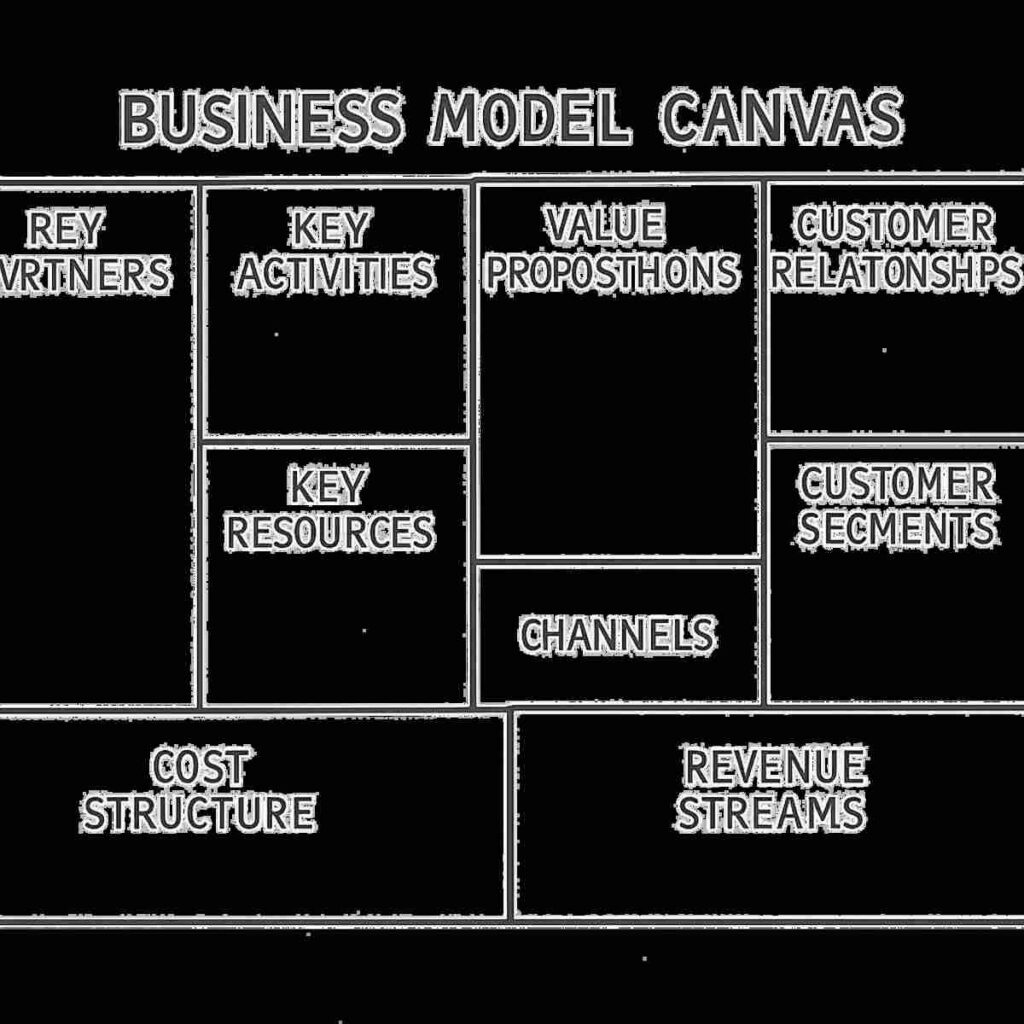
The Business Model Canvas is a strategic management template used for developing new business models or documenting existing ones. It offers a visual chart with elements describing a firm’s or product’s value proposition, infrastructure, customers, and finances. By dissecting the complexities of business structures into nine fundamental blocks, it aids in the comprehensive analysis and design of business strategies.
The Framework’s Origin and Evolution
The concept of the Business Model Canvas was introduced by Alexander Osterwalder, who developed it as part of his PhD thesis. Over the years, it has evolved, with businesses worldwide adopting it to simplify complex business models. Its universal applicability stems from its ability to break down business operations into manageable components, providing clarity and focus.
Global Adoption and Adaptation
Around the world, the Business Model Canvas has been embraced by startups and large corporations alike. It offers a flexible framework that can be adapted to various industries and markets. In the Malaysian context, this adaptability is crucial as businesses navigate a diverse and dynamic economic landscape. The canvas allows for customization, accommodating the unique characteristics of local markets.
Visualization: The Power of Simplicity
One of the most powerful aspects of the Business Model Canvas is its visual nature. By organizing key business components into a single-page diagram, it enhances understanding and communication among stakeholders. This simplicity is particularly beneficial in cross-cultural settings like Malaysia, where clear communication is essential for effective collaboration and decision-making.
The Nine Building Blocks
- Customer Segments: Identifying and understanding the target audience is crucial. In Malaysia, cultural diversity demands a nuanced understanding of customer demographics and psychographics. Companies must consider the varied cultural, economic, and social backgrounds of their potential customers to tailor their products and services effectively.
- Value Propositions: This defines the unique value a business offers. Malaysia’s rich cultural tapestry influences consumer preferences, necessitating tailored value propositions. Businesses must consider local tastes, values, and expectations to create compelling offers that resonate with different segments of the population.
- Channels: The avenues through which a business reaches its customers. The Malaysian market, with its blend of urban and rural areas, requires a strategic mix of digital and traditional channels. Companies need to evaluate the most effective ways to reach their audience, considering internet penetration and access to digital platforms in various regions.
- Customer Relationships: Building and maintaining customer relationships is vital. In Malaysia, where personal relationships often influence business, cultivating trust is paramount. Companies should focus on creating meaningful interactions and long-term relationships with their customers, leveraging the power of word-of-mouth and community engagement.
- Revenue Streams: Identifying how the business earns money. Malaysia’s economic landscape offers diverse revenue models, from traditional sales to innovative subscription-based models. Companies must explore multiple streams to ensure sustainability and resilience against market fluctuations.
- Key Resources: The assets required to deliver the value proposition. Understanding Malaysia’s resource landscape, including talent and technology, is essential. Businesses must identify and leverage local resources, such as skilled labor and technological infrastructure, to gain a competitive advantage.
- Key Activities: The critical actions required to deliver the value proposition. Adapting these activities to Malaysia’s regulatory environment and market dynamics is crucial. Companies must align their operations with local regulations and cultural norms to ensure compliance and relevance.
- Key Partnerships: Forming alliances that complement the business model. In Malaysia, strategic partnerships can leverage local expertise and networks. Collaborating with local businesses, government agencies, and educational institutions can enhance credibility and access to new opportunities.
- Cost Structure: Understanding the cost implications of the business model. Malaysia’s cost structure is influenced by factors such as labor costs, regulatory fees, and operational expenses. Businesses must carefully manage their costs to maintain profitability while remaining competitive.
The Malaysian Business Landscape

Malaysia’s business environment is characterized by a blend of traditional practices and modern innovations. Its strategic location in Southeast Asia, coupled with a diverse cultural fabric, presents unique opportunities for businesses. However, navigating this landscape requires an understanding of local regulations, consumer behavior, and market trends.
Regulatory Environment
Malaysia’s regulatory framework is conducive to business, with policies encouraging foreign investment and entrepreneurship. However, understanding local laws, such as the Companies Act 2016 and various sector-specific regulations, is imperative for compliance and strategic planning. Businesses must stay informed about regulatory changes and engage with legal experts to navigate the complexities of the legal landscape.
Economic Trends and Opportunities
The Malaysian economy is driven by various sectors, including manufacturing, services, and agriculture. Emerging industries such as technology and renewable energy present new opportunities for growth and innovation. Companies should monitor economic trends and explore potential areas for expansion and diversification to capitalize on these opportunities.
Cultural Nuances
The multicultural nature of Malaysian society influences consumer behavior and business practices. Businesses must tailor their strategies to resonate with diverse ethnic groups, each with distinct preferences and purchasing behaviors. Understanding cultural nuances and incorporating them into marketing and product development strategies can enhance brand loyalty and customer satisfaction.
Technological Adoption
Malaysia is rapidly embracing digital transformation. The proliferation of mobile technology and internet connectivity offers businesses new avenues for reaching consumers and optimizing operations. However, the digital divide between urban and rural areas necessitates a balanced approach in channel strategy. Companies should invest in digital infrastructure and skills development to stay competitive in the evolving digital landscape.
Sustainability and Corporate Responsibility
As global awareness of environmental issues grows, Malaysian businesses are increasingly focusing on sustainability and corporate responsibility. Companies are adopting environmentally friendly practices and engaging in community development initiatives to enhance their reputation and meet consumer expectations. Embracing sustainability can also lead to cost savings and new business opportunities.
The Role of Business Model Canvas Courses in Malaysia
Business Model Canvas courses in Malaysia play a pivotal role in equipping entrepreneurs and business leaders with the skills needed to navigate the complex business landscape. These courses offer a deep dive into strategic thinking, enabling participants to develop robust business models tailored to local and global contexts.
Curriculum and Learning Outcomes
A typical Business Model Canvas course in Malaysia would cover:
- Strategic Analysis: Techniques for evaluating the external and internal business environment. Participants learn to identify opportunities and threats, assess competitive dynamics, and analyze market trends to inform strategic decision-making.
- Business Model Design: Practical exercises in crafting business models using the BMC framework. Students engage in hands-on activities to develop and refine business models that align with their organization’s goals and market conditions.
- Case Studies: Examination of successful Malaysian businesses and their strategic models. By analyzing real-world examples, participants gain insights into effective business strategies and the application of the Business Model Canvas in diverse industries.
- Innovation and Adaptation: Strategies for innovating business models in response to market changes. Courses emphasize the importance of agility and innovation, teaching participants how to adapt their business models to shifting market dynamics and consumer preferences.
Benefits for Participants
- Enhanced Strategic Thinking: Participants gain a comprehensive understanding of business strategy formulation. They develop the ability to think critically and strategically, enabling them to make informed decisions that drive business success.
- Practical Application: Hands-on exercises ensure that learners can immediately apply concepts to real-world scenarios. By working on real-life business challenges, participants develop practical skills that can be directly applied to their own organizations.
- Networking Opportunities: Courses often provide platforms for networking with industry experts and fellow entrepreneurs. Participants can exchange ideas, share experiences, and build valuable connections that support their personal and professional growth.
- Access to Resources and Tools: Participants receive access to a range of resources and tools that support the application of the Business Model Canvas. These resources enhance learning and provide ongoing support as participants implement their business strategies.
Practical Tips for Implementing the Business Model Canvas in Malaysia
Implementing the Business Model Canvas effectively requires a strategic approach tailored to the Malaysian context. Here are some practical tips:
Engage Local Experts
Collaborating with local consultants or industry experts can provide valuable insights into market dynamics and consumer preferences. These experts can offer guidance on navigating regulatory requirements, understanding cultural nuances, and identifying growth opportunities. By leveraging local knowledge, businesses can develop strategies that are well-suited to the Malaysian market.
Leverage Technology
Utilize digital tools to facilitate collaboration and visualization of the Business Model Canvas. Tools such as Miro or Lucidchart offer interactive platforms for team engagement. These tools enable real-time collaboration, allowing teams to brainstorm, share ideas, and refine their business models efficiently. By incorporating technology into the strategy development process, businesses can enhance communication and streamline decision-making.
Iterative Approach
Business models should be dynamic, evolving in response to market feedback and changes. Regularly revisiting and revising the Business Model Canvas ensures it remains relevant and effective. Companies should establish processes for gathering and analyzing market data, customer feedback, and performance metrics to inform continuous improvement. By adopting an iterative approach, businesses can remain agile and responsive to changing market conditions.
Cultural Sensitivity
Ensure that all aspects of the business model are culturally appropriate and resonate with the target audience. This may involve customizing marketing messages or adapting product features. Businesses should engage with local communities, conduct market research, and seek feedback to ensure their offerings align with cultural values and consumer expectations. By demonstrating cultural sensitivity, companies can build trust and strengthen their brand reputation.
Focus on Customer Experience
Enhancing customer experience is essential for building loyalty and driving business success. Companies should prioritize customer-centric strategies, focusing on delivering exceptional value and service at every touchpoint. By understanding customer needs and preferences, businesses can create personalized experiences that foster long-term relationships and enhance brand loyalty.
Conclusion
The Business Model Canvas, when applied with a deep understanding of Malaysia’s unique business environment, becomes an invaluable tool for strategic planning and innovation. As Malaysian businesses continue to evolve in a globalized world, the insights gleaned from a Business Model Canvas course can provide the competitive edge needed for success.
By embracing the intricacies of Malaysia’s market landscape and leveraging the structured approach of the Business Model Canvas, entrepreneurs and business leaders can craft strategies that are both innovative and grounded in local realities. Whether embarking on a business strategy course or exploring a business model course, the journey promises to be both enlightening and transformative.
As businesses in Malaysia embrace the opportunities and challenges of a dynamic market, the Business Model Canvas offers a practical and adaptable framework for achieving sustainable growth and success. By continuously refining their strategies and fostering a culture of innovation, companies can position themselves for long-term success in the ever-evolving global marketplace.