


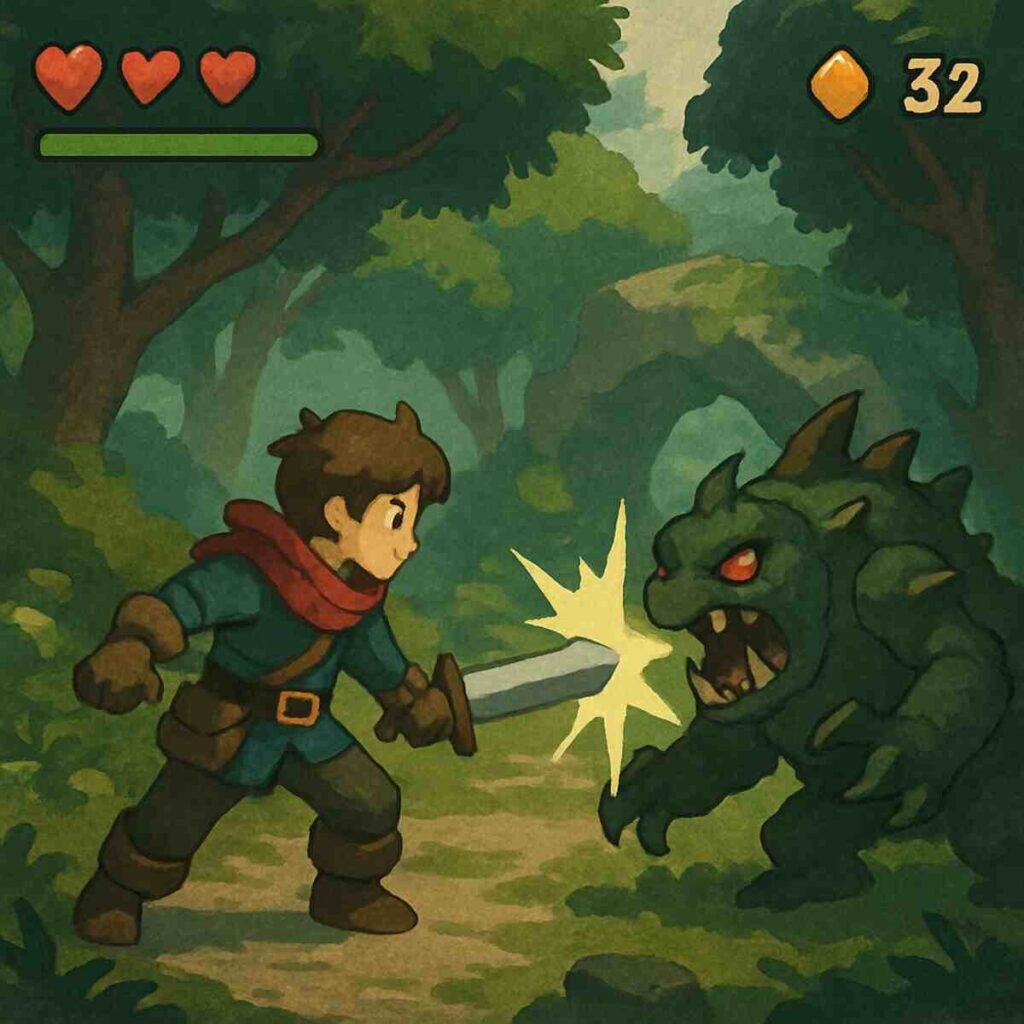
Hey there, fellow wordsmiths and storytellers! Ever feel like your thoughts are all jumbled up, much like a messy desk? Well, fear not, because we’re diving into a fun and interactive way to bring some order to your creative chaos. Online organization games are not only a great way to unwind but also a clever tool to sharpen your organizational skills, which can be incredibly beneficial for writers of all stripes. Let’s explore some top online organization games that are sure to help you streamline your thoughts and boost your productivity! To learn more, check out CITRABET77
The Magic of Online Organization Games
Picture this: You’re knee-deep in writing your novel, content piece, or academic paper, and suddenly you hit a wall. It happens to the best of us. Sometimes, stepping away and engaging in an online game can be the perfect remedy. These games are designed to enhance your ability to organize, strategize, and think critically—all while having a blast! Plus, they can be a refreshing break from the grind of writing.
The Therapeutic Break
Sometimes, the creative process can become overwhelming, and taking a break is essential. Online organization games provide a therapeutic escape, allowing you to momentarily divert your mind from the pressures of writing. Engaging in these games can help clear your mind, making space for fresh ideas and perspectives to emerge when you return to your writing.
Enhancing Cognitive Skills
These games are not just about fun; they’re a workout for your brain. By engaging in games that require planning, critical thinking, and strategic problem-solving, you can enhance your cognitive skills. This mental exercise can translate into more effective writing processes as you learn to tackle complex tasks with ease and creativity.
Building Resilience
Playing organization games can also build your resilience. They often involve challenges and obstacles that require persistence and determination to overcome. As you navigate these virtual hurdles, you develop a mindset that is better equipped to handle the inevitable setbacks that come with writing. This resilience can be a powerful asset in maintaining motivation and focus on your writing projects.
Why Writers Should Play Organization Games
Before we jump into our list of games, let’s talk about why these games are particularly beneficial for writers. Writing, whether it’s fiction, content, or academic papers, requires a high degree of organization. From structuring your plot to organizing your research, there’s a lot to juggle. Organization games hone these skills by challenging you to think ahead, prioritize tasks, and find creative solutions to problems.
Strengthening Plot Development
For fiction writers, developing a coherent plot can be a daunting task. Organization games simulate scenarios where you need to think several steps ahead, much like plotting a novel. By practicing these skills in a game setting, you can improve your ability to craft intricate and engaging storylines that captivate your readers.
Enhancing Research Organization
Academic writers often face the challenge of managing vast amounts of research. Organization games can help hone your skills in sorting, categorizing, and retrieving information efficiently. By learning to manage resources effectively in a game, you can transfer these skills to streamline your research process, making it more organized and accessible.
Boosting Content Creation
Content marketers need to juggle multiple projects and deadlines. Organization games teach you to prioritize tasks and manage time effectively. These skills are invaluable in content creation, where meeting deadlines and producing high-quality work consistently is paramount. By mastering these skills in a gaming environment, you can enhance your productivity and creativity in content marketing.
Top Online Organization Games to Explore
1. Trello: The Board Game
Okay, so Trello isn’t exactly a game, but hear me out. Trello is a fantastic tool for organizing tasks and projects, and you can turn it into a game by setting goals and competing with yourself. Create boards for your writing projects, set deadlines, and move tasks along the board as you complete them. It’s like playing a game of productivity chess, and the victory is sweet!
Turning Tasks into Challenges
In Trello, each task can become a mini-challenge. By setting specific goals and deadlines, you can create a sense of urgency and competition with yourself. This gamification of tasks can make even the most mundane organizational tasks exciting and rewarding, motivating you to complete them efficiently.
Visualizing Your Progress
One of Trello’s strengths is its visual interface, allowing you to see your progress at a glance. This visualization can be incredibly motivating, as you move tasks from ‘To Do’ to ‘Done.’ By witnessing your accomplishments visually, you build momentum and enthusiasm for tackling even more tasks.
Collaborating with Others
Trello also offers the opportunity for collaboration. By inviting fellow writers or colleagues to your boards, you can create a collaborative game where each member contributes to moving tasks forward. This teamwork can foster a sense of community and shared achievement, enhancing both productivity and creativity.
2. Habitica: Gamify Your Habits
Habitica takes your daily tasks and turns them into a role-playing game. As you complete tasks, you earn points and unlock new levels. It’s a fun way to build good writing habits, like setting aside time for writing each day, completing chapters, or even doing research. Plus, you can join writing guilds and embark on quests with fellow writers!
Leveling Up Your Writing Skills
In Habitica, every completed task earns you experience points, allowing you to level up. This gamification of daily habits can significantly boost your motivation to stick to writing routines and goals. By consistently leveling up, you build a stronger, more disciplined writing practice.
Encouraging Accountability
Joining writing guilds and embarking on quests with other writers adds a social element to Habitica. This accountability can be a powerful motivator, as you strive to meet your goals alongside others. The camaraderie and shared progress can inspire you to push through writer’s block and maintain your momentum.
Rewarding Progress
Habitica rewards your progress with in-game items and achievements. These rewards create a sense of accomplishment and satisfaction, encouraging you to keep striving for improvement. By celebrating even small victories, you cultivate a positive mindset that fuels your writing journey.
3. The Sims: Build and Organize
Who doesn’t love The Sims? This classic game allows you to build and organize entire worlds. It’s a great way to flex your creative muscles while also practicing organization. Plan out neighborhoods, design homes, and manage the lives of your Sims. It’s a fantastic way to step back from writing and get those organizational juices flowing.
Exploring Creativity in Design
The Sims offers a sandbox for creativity, allowing you to design and organize virtual environments. This creative exercise can stimulate your imagination, sparking new ideas and perspectives for your writing projects. By experimenting with different designs and layouts, you enhance your ability to visualize and conceptualize complex ideas.
Understanding Character Development
Managing the lives of your Sims involves understanding their needs, desires, and interactions. This process parallels character development in writing, where you create multidimensional characters with unique motivations. By practicing character management in the game, you can gain insights into crafting more compelling and relatable characters in your stories.
Practicing Resource Management
The Sims requires effective resource management, from budgeting household finances to optimizing time and energy. These skills are directly applicable to writing, where you must manage your resources efficiently to meet deadlines and achieve your goals. By honing these skills in the game, you can improve your overall productivity and time management in writing.
4. Stardew Valley: Farm Your Way to Productivity
Stardew Valley is more than just a farming simulator—it’s a lesson in time management and organization. You have to plan your crops, manage resources, and build relationships with other characters. The skills you develop in organizing your farm can translate into better management of your writing projects.
Mastering Time Management
Stardew Valley challenges you to balance various tasks within a limited timeframe. This time management exercise can enhance your ability to prioritize and allocate time efficiently in your writing schedule. By mastering the art of balancing tasks in the game, you can improve your productivity and focus in real-life writing projects.
Developing Strategic Planning
The game requires strategic planning to optimize farm operations and achieve long-term goals. This strategic mindset can be invaluable in writing, where you need to plan and organize complex projects. By practicing strategic planning in Stardew Valley, you can develop a more structured and goal-oriented approach to your writing.
Building Relationships and Networking
Stardew Valley emphasizes building relationships with other characters, highlighting the importance of networking and collaboration. These social skills can be beneficial for writers, as building connections within the writing community can open doors to new opportunities and collaborations. By practicing relationship-building in the game, you can enhance your networking skills in real-life writing scenarios.
How to Get the Most Out of Organization Games
Now that you have a list of games to try, let’s talk about how to make the most of your gaming experience. Here are some tips to ensure you’re not just having fun but also enhancing your writing skills:
Setting Clear Goals
Before you start playing, set specific goals for what you want to achieve in the game and how it relates to your writing. Maybe you want to improve your time management skills or learn to prioritize tasks better. Having a clear objective will keep your gaming productive.
Aligning Game Goals with Writing Objectives
When setting goals, consider how the skills you develop in the game can directly benefit your writing projects. For example, if you struggle with plot organization, focus on games that enhance strategic planning. By aligning game goals with writing objectives, you ensure that your gaming experience translates into tangible improvements in your writing process.
Tracking Your Progress
Keep track of your progress in both the game and your writing projects. By monitoring your achievements, you can identify areas where the game has positively impacted your writing skills. This tracking can also motivate you to continue playing and improving, as you see tangible results in your writing endeavors.
Adjusting Goals as Needed
As you progress, don’t hesitate to adjust your goals based on your evolving needs and challenges. Flexibility is key to ensuring that your gaming experience remains relevant and beneficial to your writing journey. By regularly reassessing and adjusting your goals, you can continue to derive value from your gaming sessions.
Reflecting on Your Gameplay
After each gaming session, take a few minutes to reflect on what you learned. Did you discover a new strategy for organizing tasks? How can you apply that to your writing process? This reflection can help solidify the skills you’re developing.
Analyzing Successes and Challenges
Reflect on both your successes and challenges during gameplay. Analyzing what worked well can reinforce positive habits, while understanding challenges can provide insights into areas for improvement. This analysis can inform your approach to writing, helping you refine your strategies and overcome obstacles more effectively.
Applying Lessons to Writing
Consider how the skills and strategies you developed in the game can be applied to your writing projects. Whether it’s improved time management, enhanced organization, or better problem-solving, find ways to integrate these lessons into your writing process. By consciously applying what you learn, you can enhance your overall writing efficiency and creativity.
Sharing Insights with Others
Discuss your gaming experiences and insights with fellow writers or gaming enthusiasts. Sharing your reflections can lead to valuable discussions and new perspectives, enriching your understanding of both gaming and writing. This exchange of ideas can inspire you to explore new approaches and strategies in your writing journey.
Balancing Play and Work
Remember, moderation is key. While games are a great tool, they shouldn’t replace writing time. Use them as a break or reward after completing a writing task. Keeping a healthy balance ensures that games enhance your productivity rather than detract from it.
Scheduling Dedicated Gaming Time
Set aside specific times for gaming, ensuring that it doesn’t interfere with your writing commitments. By creating a schedule, you can enjoy gaming as a productive break, allowing you to recharge and return to writing with renewed focus and energy.
Maintaining Writing Priorities
Always prioritize your writing goals and deadlines. Use gaming as a reward for meeting writing milestones, reinforcing positive habits and encouraging productivity. By maintaining a clear distinction between play and work, you can enjoy the benefits of gaming without compromising your writing objectives.
Evaluating the Impact on Productivity
Regularly assess the impact of gaming on your overall productivity and writing progress. If you find that gaming is becoming a distraction, consider adjusting your approach or schedule. By staying mindful of its impact, you can ensure that gaming remains a valuable tool for enhancing your writing skills.
Wrapping Up
So there you have it, a fun and casual way to boost your organizational skills through online games. Whether you’re an aspiring novelist struggling with plot structure, a content marketer aiming to create compelling content, or a graduate student navigating complex academic writing, these games can be a valuable part of your toolkit. Dive in, have fun, and watch as your writing process becomes more organized and efficient. Happy gaming, and even happier writing!